1946 Vintage Edition: 80 Years of Quiet Strength and No Regrets
Turning 80 is a big deal, but for folks born in 1946, it’s not about the fireworks—it’s about reflecting on a life of steady wins. If you’re shopping for meaningful 80th birthday gifts for someone from this generation, you know they appreciate things that are practical, authentic, and built to last. No frills, no fuss. In this post, we’ll dive into what makes this milestone special, share some gift-giving tips tailored to their no-nonsense vibe, and introduce a line of timeless tributes that actually get used.
Why 80 Feels Different
Born right after World War II, this generation grew up in a world of rebuilding and resourcefulness. Think saving tin foil from rations, trusting institutions to guide the way pre-Nixon era, and forging tight community bonds through tough times. They rolled with economic booms, cultural shifts, and tech revolutions without losing their cool. Values like hard work, family loyalty, and that quiet resilience? That’s their secret sauce.
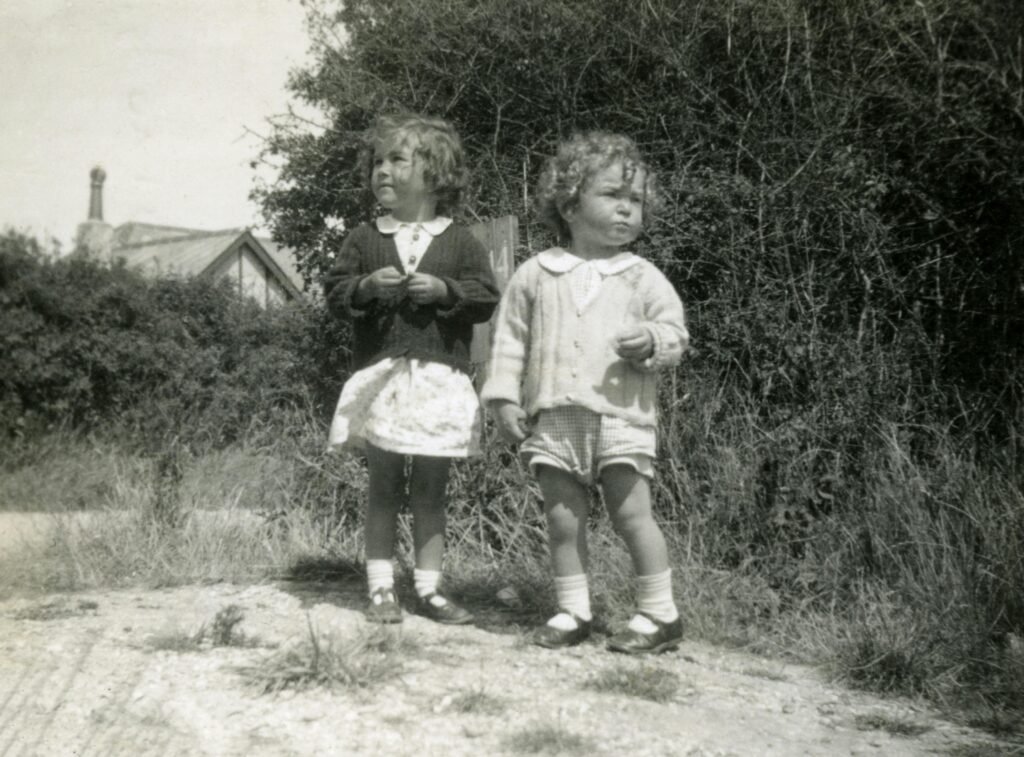
Memories from the era might include the thrill of early rock ‘n’ roll crackling on the family radio, or simpler joys like building forts from scrap wood in the backyard with neighborhood kids—roaming free until the streetlights flickered on. Imagine your loved one reminiscing about those unsupervised adventures over a morning coffee, or how chores like hanging laundry on the line taught a lifelong dread of waste. Turning 80 now is a badge of honor—a nod to perseverance without the need for loud cheers. It’s about owning the mileage with pride, not exaggeration. If your loved one embodies that, gifts should match: subtle, high-quality items that spark “remember when” chats and fit into daily life.
Gift giving tips for an 80th birthday
Shopping for someone who’s seen it all? Here’s how to nail it without wasting time or money:
- Go Personal: Add a custom touch, like their name or a key date, to make it feel thoughtful—not generic. For example, with the mug’s “Known for” line, you could personalize it with something like “Known for unbeatable storytelling” to highlight their unique traits.
- Prioritize Practicality: Skip the novelty junk. Opt for things they’ll wear or use regularly, like a comfy tee for errands—much like how they might recall mowing the lawn or running to the corner store for penny candy as a kid, building that no-fuss endurance.
- Honor Their Roots: Tie into 1950s childhood values—resourcefulness from chores like helping with wringer washers or sharing a party-line phone, meaning no waste. Choose durable, versatile pieces that last, just like those handmade go-karts from old crates.
- Bundle for Ease: If you’re gifting to a group (family reunion?), sets save hassle and feel more complete.
- Keep It Subtle: Avoid over-the-top humor. They appreciate quiet confidence over flashy designs.
These tips aren’t just theory—they’re why the 1946 Vintage Edition line stands out as ideal born in 1946 gifts.
Conversation Starters: Spark "Remember When" Moments with your Gift
Pair your gift with these gentle prompts to get the stories flowing—drawing from the simple joys of a 1950s childhood that shaped their resilience. The personalized mug, with its customizable “Known for” line (e.g., “Known for [their signature trait, like wisdom or grit]”), is especially perfect for this: Fill it with coffee, hand it over, and use the personalization as a natural lead-in to chat. It turns the mug into more than a gift—it’s a prompt for sharing earned pride.
- On Outdoor Adventures: “What was your favorite game to play with neighborhood kids after school—like kick-the-can or building forts from scraps—and did you ever get into any mischief?”
- On Family Routines: “Tell me about family dinners back in the day—did you have a set time every night, and what was a typical meal your mom made?”
- On Entertainment: “What radio shows or early TV programs, like The Lone Ranger or Howdy Doody, do you remember gathering around with your family?”
- On Chores and Resourcefulness: “As a kid, what chores did you help with, like hanging laundry or mowing the lawn, and how did that shape how you handle things today?”
- On Treats and Simple Joys: “What was your go-to treat from the corner store, like penny candy or root beer floats, and do you have a funny story from getting it?”
- On School Days: “What was walking or biking to school like in the 1950s—any memorable teachers or recess games that stand out?”
- On Summer Fun: “How did you spend hot summer days—maybe avoiding pools during polio scares or going to drive-in movies with the family?”
- On Music and Culture: “When did you first hear rock ‘n’ roll, like Elvis, on the radio, and what did your parents think of it?”
These starters can make family time more meaningful, especially when tied to a gift like the mug that celebrates what they’re “known for.”